Endangered Watercolor Snow Leopard: A Creative Asset with Purpose
Understanding the Visual Identity of the Snow Leopard
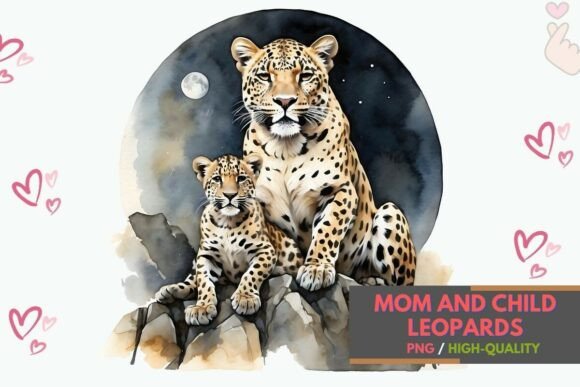
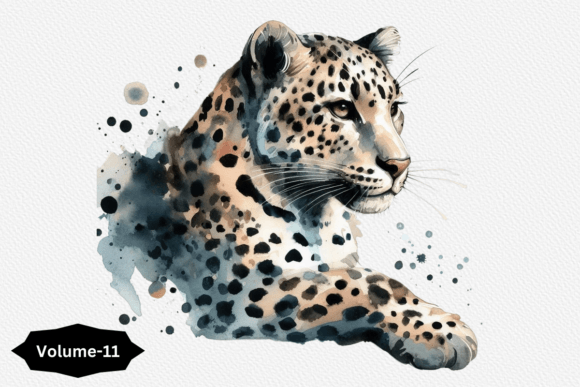
The Endangered Watercolor Snow Leopard isn't just a static image; it is a piece of digital art designed to evoke a specific emotional response. The visual style relies on the fluidity and unpredictability of watercolor washes combined with the precision of digital rendering. You will notice the texture immediately. Unlike flat vector graphics, this asset features visible brush strokes and color bleeds that mimic traditional painting. The transparency is key here. Because the background is removed, the leopard appears to float, allowing you to layer it over complex textures, dark backgrounds, or vibrant patterns without the awkward white box effect that plagues lower-quality clipart.
The subject matter—the snow leopard—is inherently majestic but also fragile. This duality is captured in the color palette, which typically utilizes soft greys, cool blues, and muted purples to represent the animal's natural habitat in the snowy mountains. The "watercolor" aspect adds a layer of softness to an animal that is physically powerful but ecologically vulnerable. This makes the image ideal for projects that require a touch of nature without being overly literal or aggressive. It conveys a sense of wild beauty that appeals to a broad demographic, from children to adults, and works exceptionally well for brands focusing on eco-consciousness, mindfulness, or luxury nature themes.
Strategic Applications for Designers and Entrepreneurs
When you download the Endangered Watercolor Snow Leopard Volume –11, you are acquiring a high-resolution asset (3600 x 3600 pixels at 300 DPI). This specification is crucial for professional application. It means the image is not just for web use; it is print-ready. For small business owners and print-on-demand entrepreneurs, this opens up a wide range of product possibilities. The detail holds up when scaled, which is often a failure point for lesser assets.
Consider the practical application in packaging design. If you are creating labels for a tea brand, a yoga studio, or a line of natural cosmetics, this snow leopard acts as a focal point that suggests purity and wilderness. In editorial design, such as magazine covers or book illustrations, the watercolor texture adds a sophisticated, artistic flair that photography sometimes lacks. It feels handcrafted.
For social media graphics, the image serves as a scroll-stopping element. The soft edges of the watercolor contrast well with the rigid geometry of user interfaces and text overlays. You can use it as a standalone hero image or as part of a collage. Furthermore, for merchandise like tote bags, t-shirts, and mugs, the transparent background simplifies the mockup process. You do not need to spend hours masking edges; you can drop it onto your product template and adjust the composition immediately.
Incorporating the Asset into Brand Identity
Using a specific asset like the Endangered Watercolor Snow Leopard requires a thoughtful approach to brand identity. It is not a sans serif font or a display font, but it functions similarly in establishing tone. A brand using this imagery is likely positioning itself as organic, artistic, or conservation-focused. It steers the brand away from a corporate, sterile look and moves it toward something more human and tactile.
Consistency is vital. If you choose this watercolor style for your main logo mark or hero imagery, you should consider how it interacts with your typography. A heavy, blocky industrial font might clash with the delicate nature of the watercolor. Instead, pair it with a clean serif font for a classic editorial look, or a script font that mimics the fluidity of the paint. The goal is to create visual harmony. The leopard brings the texture; your typography should provide the structure.
There is also the aspect of storytelling. Marketing is often about narrative. Using an endangered species in your visual language is a bold choice that can be leveraged to tell a story about protection, rarity, or value. However, ensure that the usage feels authentic. If you are a pet supply store, it makes sense. If you are a heavy machinery manufacturer, the connection might be tenuous. The asset works best when the visual metaphor aligns with the service or product being offered.
Technical Workflow and File Management
From a technical standpoint, integrating the Endangered Watercolor Snow Leopard into your workflow is straightforward, provided you respect the file specifications. The PNG format with a transparent background is the industry standard for versatility. However, remember that this is a raster image, not a vector. While 3600 pixels is large, there is a limit to how much you can scale it up before pixelation occurs.
If you are working on a large-format print, such as a banner or a poster larger than 36 inches, you may need to upscale the image using AI upscaling tools or accept a specific viewing distance. For standard merchandise like mugs, shirts, and stickers, the resolution is more than sufficient.
When editing, be mindful of color correction. Watercolor pigments react differently to digital filters than standard photography. Boosting saturation too much can make the "paint" look artificial. It is usually best to adjust the lighting and contrast rather than the hue, preserving the integrity of the original artistic texture. If you are layering this over other elements, experiment with blending modes like "Multiply" (to drop out any remaining light tones) or "Overlay" to integrate the texture into the background fabric of your design.
Final Thoughts on Usability
The value of a design asset lies in its flexibility. The Endangered Watercolor Snow Leopard offers a niche aesthetic—nature-inspired, artistic, and emotional—that can be difficult to generate from scratch without traditional art skills. For content creators, bloggers, and publishers, it provides an immediate visual upgrade to headers and featured images. For marketers, it offers a way to soften a campaign's visual language.
Ultimately, this asset is a tool for connection. It bridges the gap between digital precision and organic artistry. By treating the image with the same respect you would give a premium typeface—ensuring proper spacing, appropriate context, and high-quality reproduction—you can elevate the perceived value of your own projects. Whether you are designing a logo, packaging a product, or curating a social feed, the snow leopard serves as a reminder that design can be both beautiful and meaningful.
Endangered Watercolor Snow Leopard: A Creative Asset with Purpose
Understanding the Visual Identity of the Snow Leopard
The Endangered Watercolor Snow Leopard isn't just a static image; it is a piece of digital art designed to evoke a specific emotional response. The visual style relies on the fluidity and unpredictability of watercolor washes combined with the precision of digital rendering. You will notice the texture immediately. Unlike flat vector graphics, this asset features visible brush strokes and color bleeds that mimic traditional painting. The transparency is key here. Because the background is removed, the leopard appears to float, allowing you to layer it over complex textures, dark backgrounds, or vibrant patterns without the awkward white box effect that plagues lower-quality clipart.
The subject matter—the snow leopard—is inherently majestic but also fragile. This duality is captured in the color palette, which typically utilizes soft greys, cool blues, and muted purples to represent the animal's natural habitat in the snowy mountains. The "watercolor" aspect adds a layer of softness to an animal that is physically powerful but ecologically vulnerable. This makes the image ideal for projects that require a touch of nature without being overly literal or aggressive. It conveys a sense of wild beauty that appeals to a broad demographic, from children to adults, and works exceptionally well for brands focusing on eco-consciousness, mindfulness, or luxury nature themes.
Strategic Applications for Designers and Entrepreneurs
When you download the Endangered Watercolor Snow Leopard Volume –11, you are acquiring a high-resolution asset (3600 x 3600 pixels at 300 DPI). This specification is crucial for professional application. It means the image is not just for web use; it is print-ready. For small business owners and print-on-demand entrepreneurs, this opens up a wide range of product possibilities. The detail holds up when scaled, which is often a failure point for lesser assets.
Consider the practical application in packaging design. If you are creating labels for a tea brand, a yoga studio, or a line of natural cosmetics, this snow leopard acts as a focal point that suggests purity and wilderness. In editorial design, such as magazine covers or book illustrations, the watercolor texture adds a sophisticated, artistic flair that photography sometimes lacks. It feels handcrafted.
For social media graphics, the image serves as a scroll-stopping element. The soft edges of the watercolor contrast well with the rigid geometry of user interfaces and text overlays. You can use it as a standalone hero image or as part of a collage. Furthermore, for merchandise like tote bags, t-shirts, and mugs, the transparent background simplifies the mockup process. You do not need to spend hours masking edges; you can drop it onto your product template and adjust the composition immediately.
Incorporating the Asset into Brand Identity
Using a specific asset like the Endangered Watercolor Snow Leopard requires a thoughtful approach to brand identity. It is not a sans serif font or a display font, but it functions similarly in establishing tone. A brand using this imagery is likely positioning itself as organic, artistic, or conservation-focused. It steers the brand away from a corporate, sterile look and moves it toward something more human and tactile.
Consistency is vital. If you choose this watercolor style for your main logo mark or hero imagery, you should consider how it interacts with your typography. A heavy, blocky industrial font might clash with the delicate nature of the watercolor. Instead, pair it with a clean serif font for a classic editorial look, or a script font that mimics the fluidity of the paint. The goal is to create visual harmony. The leopard brings the texture; your typography should provide the structure.
There is also the aspect of storytelling. Marketing is often about narrative. Using an endangered species in your visual language is a bold choice that can be leveraged to tell a story about protection, rarity, or value. However, ensure that the usage feels authentic. If you are a pet supply store, it makes sense. If you are a heavy machinery manufacturer, the connection might be tenuous. The asset works best when the visual metaphor aligns with the service or product being offered.
Technical Workflow and File Management
From a technical standpoint, integrating the Endangered Watercolor Snow Leopard into your workflow is straightforward, provided you respect the file specifications. The PNG format with a transparent background is the industry standard for versatility. However, remember that this is a raster image, not a vector. While 3600 pixels is large, there is a limit to how much you can scale it up before pixelation occurs.
If you are working on a large-format print, such as a banner or a poster larger than 36 inches, you may need to upscale the image using AI upscaling tools or accept a specific viewing distance. For standard merchandise like mugs, shirts, and stickers, the resolution is more than sufficient.
When editing, be mindful of color correction. Watercolor pigments react differently to digital filters than standard photography. Boosting saturation too much can make the "paint" look artificial. It is usually best to adjust the lighting and contrast rather than the hue, preserving the integrity of the original artistic texture. If you are layering this over other elements, experiment with blending modes like "Multiply" (to drop out any remaining light tones) or "Overlay" to integrate the texture into the background fabric of your design.
Final Thoughts on Usability
The value of a design asset lies in its flexibility. The Endangered Watercolor Snow Leopard offers a niche aesthetic—nature-inspired, artistic, and emotional—that can be difficult to generate from scratch without traditional art skills. For content creators, bloggers, and publishers, it provides an immediate visual upgrade to headers and featured images. For marketers, it offers a way to soften a campaign's visual language.
Ultimately, this asset is a tool for connection. It bridges the gap between digital precision and organic artistry. By treating the image with the same respect you would give a premium typeface—ensuring proper spacing, appropriate context, and high-quality reproduction—you can elevate the perceived value of your own projects. Whether you are designing a logo, packaging a product, or curating a social feed, the snow leopard serves as a reminder that design can be both beautiful and meaningful.