Unhappy People: Watercolor Illustrations for Creative Projects
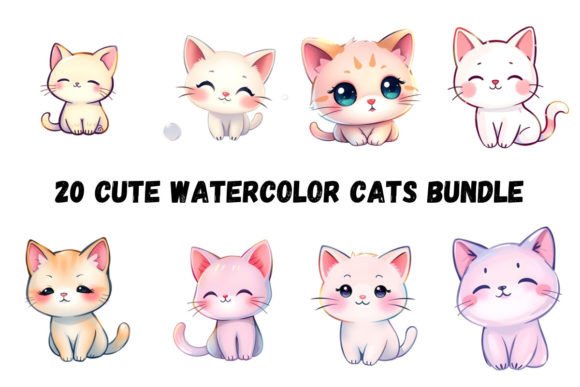
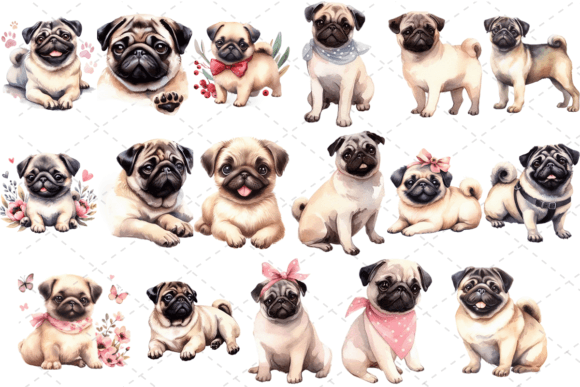
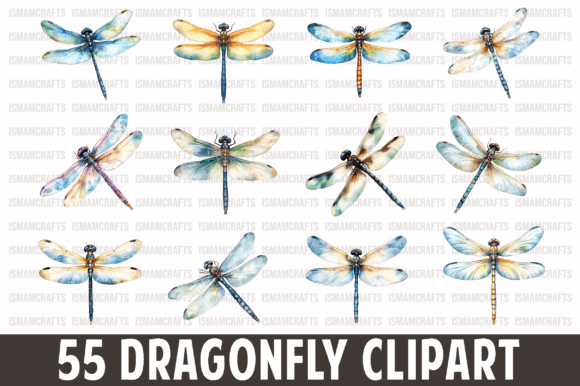
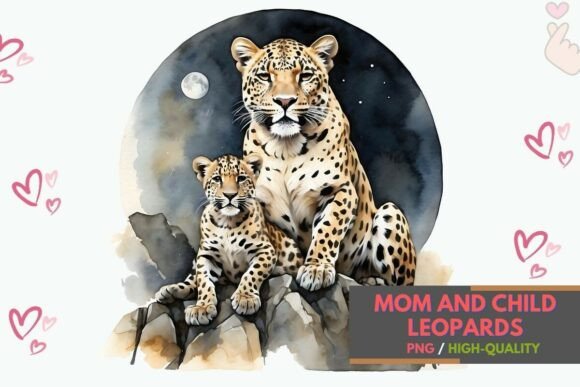
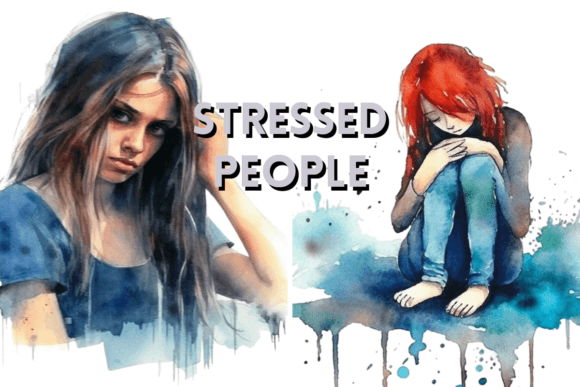
Sometimes a design needs a specific kind of character. Not just a happy, smiling mascot, but something with a bit more personality, a touch of relatable melancholy. This is where the Unhappy People: Watercolor Illustrations collection steps in. It’s a set of high-resolution digital assets that capture a charmingly grumpy, contemplative, or mildly distressed aesthetic through the beautiful, textured medium of watercolor. These aren't just generic animal drawings; they are vibrant, adorable characters with expressive faces that tell a tiny story, making them far more memorable than a standard clipart asset.
More Than Just a Sad Face: The Visual Character
At its core, the appeal of this illustration set lies in its unique blend of styles. The vibrant and adorable designs are rendered with the soft, flowing pigments of watercolor, giving them an organic, handcrafted feel. This technique prevents the characters from feeling cold or overly digital. Each illustration is provided as a high-resolution 300 dpi PNG file with a transparent background, a crucial detail for professional use. The 3200x3200px size ensures they remain crisp and clear even in large-scale print applications.
The personality is what truly sets them apart. The "unhappy" aspect is portrayed with a gentle humor. You might find a bear looking mildly annoyed at his spilled honey, or a bunny with a perpetual look of existential pondering. This playfulness and charm makes them incredibly versatile. They can convey empathy, a sense of irony, or a self-deprecating humor that resonates deeply with an adult audience. For a brand identity, using a character like this can signal that your brand is self-aware, witty, and doesn't take itself too seriously—a powerful differentiator in a crowded market.
Practical Applications: Where These Illustrations Shine
Understanding the asset is one thing; knowing how to deploy it is where the real value lies. The Unhappy People: Watercolor Illustrations are not a one-trick pony. Their utility spans across numerous creative and commercial projects, acting as a versatile design asset.
- Children's Illustrations and Nursery Decor: The immediate application is obvious. These are perfect for prints, children's illustrations, and nursery decor. They offer a more nuanced emotional palette for kids' books, teaching that it's okay to feel grumpy or sad sometimes. A wall art print featuring a thoughtful fox can become a favorite piece in a child's room.
- Publishing and Editorial Design: In editorial design, these illustrations can break up text-heavy pages in magazines, blogs, or reports. They work brilliantly as spot illustrations to accompany articles about mental health, self-care, creative blocks, or even humorous listicles. They add a human, relatable touch to otherwise dry content.
- Packaging and Product Design: Imagine a craft brewery using a disgruntled-looking badger on its "Grumpy Morning IPA" label, or a coffee brand featuring a sleepy owl on its packaging. This use of character can instantly communicate product personality, enhance shelf appeal, and create a strong brand identity that customers remember and share.
- Digital and Social Media: In the fast-scroll world of social media, a unique image stops the thumb. Use these illustrations in social media graphics to announce a sale ("We're sadly saying goodbye to these prices"), promote a blog post, or create engaging Instagram Stories. They are excellent for web design as well, adding personality to 404 error pages, "coming soon" placeholders, or testimonial sections.
- Marketing and Branding: For entrepreneurs and small business owners, these illustrations offer a cost-effective way to build a distinctive visual language. They can be used on business cards, thank you notes, website headers, and promotional materials. The consistent use of a specific character helps build brand recognition and fosters a connection with the audience through shared, subtle humor.
Integrating These Assets Into Your Workflow
As a creative professional, the technical specifications are just as important as the aesthetic. The transparent background of the PNG files is a non-negotiable feature for seamless integration. It means you can drop these characters onto any background—colored, textured, or photographic—without the hassle of tedious clipping paths. This saves significant time in Adobe Photoshop, Illustrator, or Canva.
When incorporating these into a project, consider the following practical steps:
- Evaluate the Emotional Tone: Does the character's specific mood match your message? A slightly annoyed penguin might work for a blog post about Monday mornings, but not for a sympathy card. Choose the illustration whose personality aligns with your content's intent.
- Scale and Composition: Because of the high-resolution 300 dpi quality, you have flexibility. You can use the full illustration as a central hero image or scale it down to become a subtle, repeating pattern element in a background. Think about how it interacts with your typography and layout.
- Color Harmony: The watercolor palette is vibrant. Pull one or two key colors from the illustration to use in your text, buttons, or other design elements. This creates a cohesive and professionally designed look, tying the illustration into the overall composition rather than having it feel pasted on.
- Commercial Licensing: Always verify the license. For a commercial font or illustration set, you need to ensure it covers your intended use, whether it's for a client's project, merchandise for sale, or digital products. Reputable asset providers make this clear, allowing you to use the work with confidence.
Ultimately, the Unhappy People: Watercolor Illustrations are more than just cute drawings. They are a strategic design asset for anyone looking to inject personality, emotion, and a touch of sophisticated humor into their work. They bridge the gap between professional polish and human connection, making your projects more relatable and memorable. In a world of overly cheerful stock imagery, sometimes a little charming grumpiness is exactly what stands out.